mdawson7777's pick · Updated August 2026
Ready Hour 120 Serving Entree Bucket
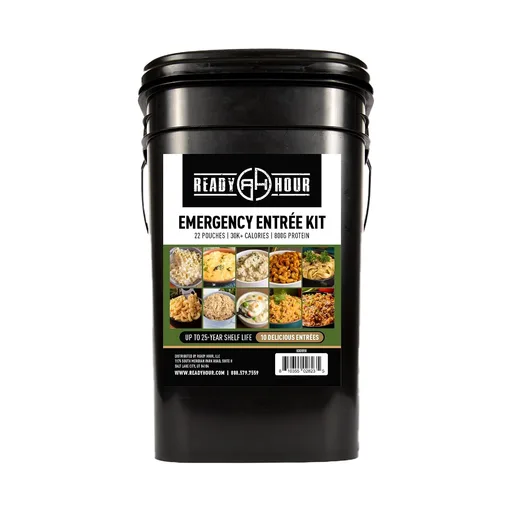
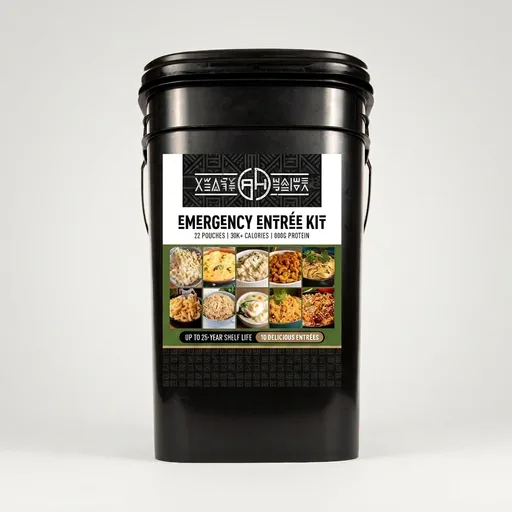
A freeze dried emergency meal bucket is mainly for the person who wants shelf-stable food in the house before they need it, not after the store shelves are already bare. It may suit someone building a basic disaster kit, a camper who wants simple backup meals, or anyone who likes the idea of a stored food supply that can sit quietly until a power outage, storm, or road trip makes it useful.
The main reason to consider a bucket like this is convenience. A single package can cover a lot of servings, and that makes planning easier than buying separate cans or loose pouches one at a time. For a prepper, that can simplify storage and rotation. For a casual buyer, it can be a straightforward way to add a few weeks of backup food without having to assemble a full menu from scratch. The freeze dried format also points to long shelf life, which is the central feature to verify when comparing products in this category.
The tradeoff is that emergency food is only helpful if it fits the way you actually plan to use it. Check the serving count, serving size, water needed for preparation, and total calories per bucket, because those details matter more than the headline number on the front of the package. It is also worth confirming storage conditions, container size, and whether the meals are meant to be eaten as full entrees or as part of a broader emergency pantry. A bucket that looks simple on paper can still be awkward if you do not have a dry place to keep it or if the servings are smaller than you expect.
The right evidence posture here is mostly about reading the listing carefully and comparing it with your own needs. Because there are no usage notes, this page should stay focused on the product's stated purpose rather than any promise about taste, convenience, or durability in real use. A buyer should also check the ingredient list, dietary fit, and preparation method before relying on it for serious preparedness. Those are the practical details that separate a useful supply from something that just sounds reassuring.
This kind of product may fit someone who wants a simple backup plan and does not want to piece together emergency food one item at a time. It can also make sense for camping or outdoor storage if the weight, volume, and prep requirements are acceptable for the trip. If you are comparing options, the best next step is to look at calorie density, shelf life, water needs, and how many actual meals the bucket covers. That gives a clearer picture of value than the marketing language alone, and it makes the choice easier to judge against other emergency staples.
Amazon product links on this guide are not currently affiliate links. Neither mdawson7777 nor Buyer Field Guide earns an affiliate commission from them.
See current price